Environmentally Conscious Designs and Energy Efficiency in Modern Architecture
As we move towards a more sustainable future, environmentally conscious designs and energy efficiency have become integral aspects of modern architecture. Architects and designers are increasingly incorporating green building practices into their projects to minimize environmental impact and reduce energy consumption. Let's explore some key principles and strategies used in creating sustainable buildings.
Key Elements of Environmentally Conscious Designs:
- Passive Solar Design: Utilizing the sun's energy for heating, cooling, and lighting by strategically positioning windows, overhangs, and thermal mass.
- Green Roof Systems: Installing vegetation on rooftops to improve insulation, reduce urban heat island effect, and promote biodiversity.
- Energy-Efficient Materials: Choosing sustainable materials with low embodied energy and high durability, such as bamboo, recycled steel, and reclaimed wood.
- Water Conservation: Implementing systems for rainwater harvesting, greywater recycling, and efficient plumbing fixtures to reduce water consumption.
Benefits of Energy Efficiency in Architecture:
Energy-efficient buildings offer numerous advantages, both for the environment and occupants:
- Reduced Energy Costs: Lower electricity and heating bills due to optimized insulation, efficient HVAC systems, and renewable energy sources.
- Carbon Footprint Reduction: Decreased greenhouse gas emissions through energy conservation and use of sustainable technologies.
- Improved Indoor Comfort: Consistent temperatures, better air quality, and natural lighting contribute to occupants' well-being and productivity.
- Long-Term Sustainability: Creating buildings that can adapt to changing environmental conditions and remain functional for generations to come.
Examples of Sustainable Architecture:
Many iconic structures around the world showcase the successful integration of environmentally conscious designs and energy efficiency:
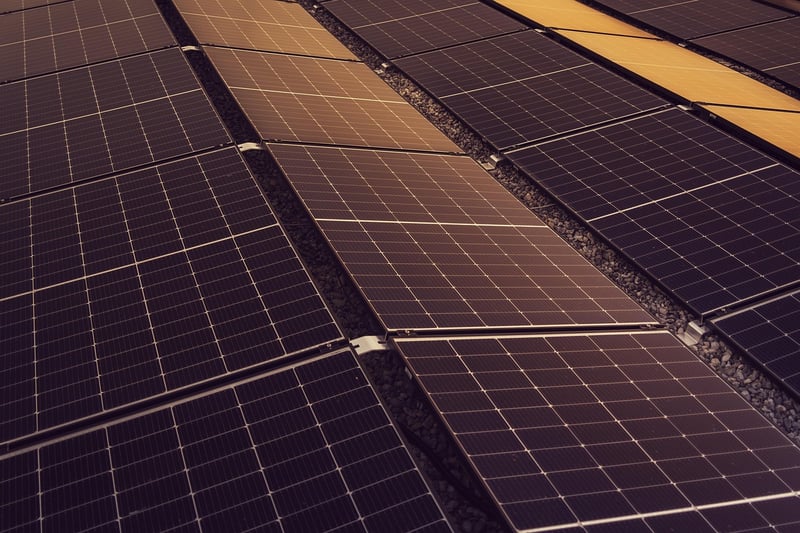
- One Central Park, Sydney, Australia - Featuring vertical gardens, solar panels, and heliostat reflectors to maximize natural light.
- Marina Barrage, Singapore - A dam that provides water supply, flood control, and a recreational space while generating clean energy.
- Zero Energy Tower, Dubai, UAE - A self-sustaining tower with wind turbines, solar panels, and efficient cooling systems.
Conclusion
Environmentally conscious designs and energy efficiency are not just trends but essential components of responsible architecture. By prioritizing sustainability in building practices, we can create healthier environments, reduce our carbon footprint, and pave the way for a greener future.
Let's continue to innovate and design with the environment in mind, one building at a time.